
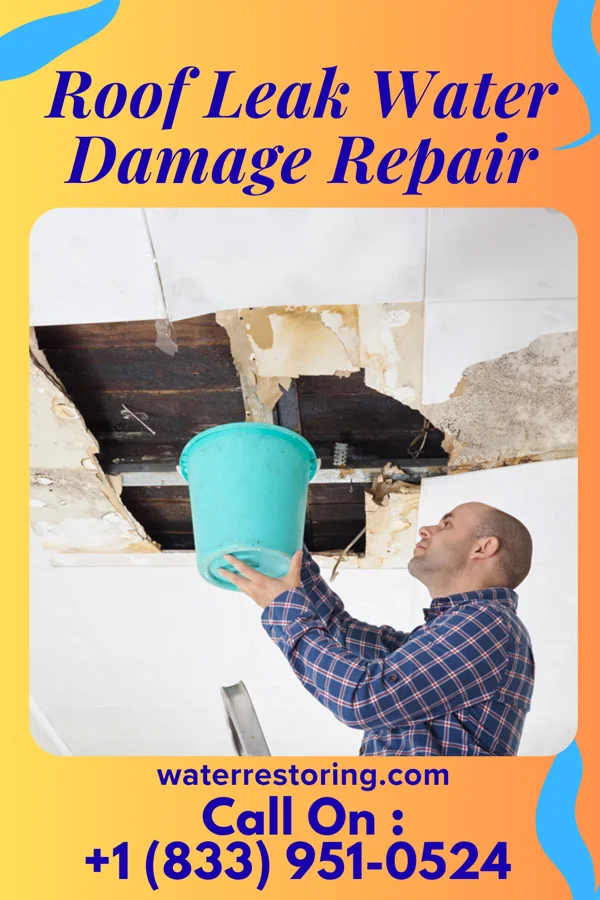
When Harmonyville Properties Need Roof Leak Repair
Water damage in Harmonyville usually starts with Harmonyville, Vermont experiences frequent spring and early summer thunderstorms, which can lead to sudden heavy rainfall and strong winds. The region's elevation and proximity to the Green Mountains contribute to rapid temperature changes, increasing the risk of roof damage from ice dams in winter and sudden water infiltration in spring.. A close second is The area is also prone to late spring snowmelt, which can cause prolonged periods of saturated ground and increased runoff. This can lead to pooling water around the foundation and seepage into lower roof areas, especially in older homes with less modern insulation.. Professional restoration follows the IICRC protocol on every job. Assess. Extract. Dry. Sanitize. Document.
The combination of cold winters, warm summers, and unpredictable spring weather creates a challenging environment for roofing systems. Homes in Harmonyville are particularly vulnerable to water damage from both heavy precipitation and temperature fluctuations.
Water damage in Harmonyville follows a few local patterns. Harmonyville, Vermont experiences frequent spring and early summer thunderstorms, which can lead to sudden heavy rainfall and strong winds. The region's elevation and proximity to the Green Mountains contribute to rapid temperature changes, increasing the risk of roof damage from ice dams in winter and sudden water infiltration in spring. accounts for the bulk of our calls. The combination of cold winters, warm summers, and unpredictable spring weather creates a challenging environment for roofing systems. Homes in Harmonyville are particularly vulnerable to water damage from both heavy precipitation and temperature fluctuations. Mold can begin to grow within 48 hours of water exposure in Harmonyville's humid summer months. Prolonged moisture from leaks can lead to structural damage, especially in homes with poor ventilation or insulation.
For public guidance on the health effects of mold after prolonged water exposure, see the EPA mold and health page.